
Whitetail deer are masters of survival, employing a range of strategies to evade predators and thrive in their natural habitats. One such strategy that often baffles hunters is the deer’s tendency to bed in areas where they can see people coming from a distance. While it may seem counterintuitive to bed down in such exposed locations, understanding the rationale behind this behavior sheds light on the intricacies of a deer’s survival instincts.
One of the primary reasons deer choose to bed in areas with a clear line of sight is to maintain vigilance against potential threats, including humans, their biggest predator. From elevated vantage points or open areas near roads, deer can survey their surroundings and detect the approach of hunters from a safe distance. This allows them to react swiftly and evade danger before it becomes imminent.
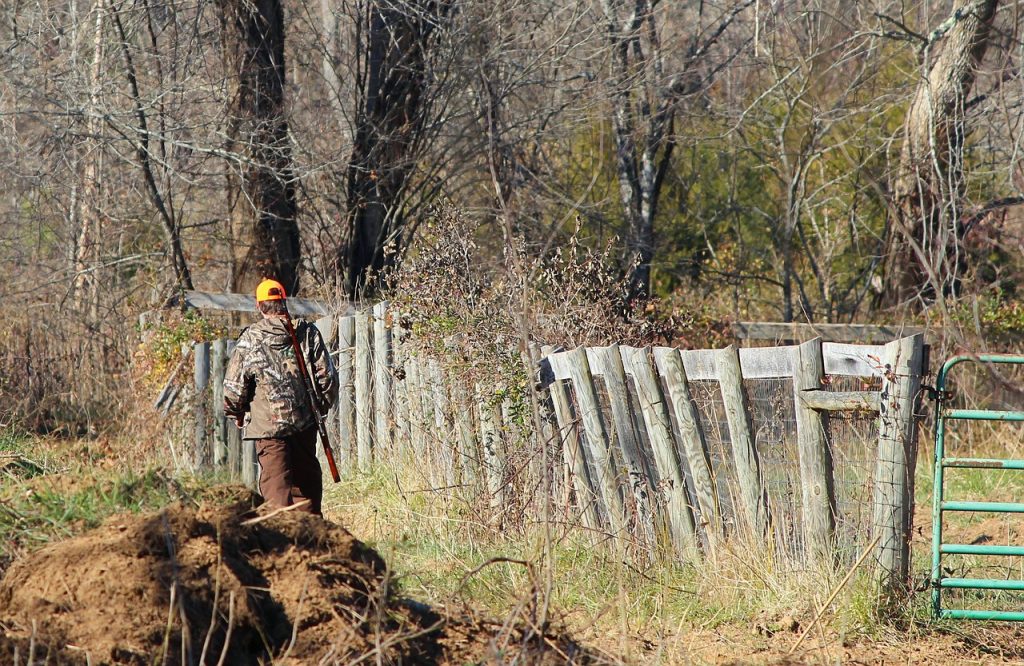
Bedding parallel to roads at a safe distance is common among deer, providing them with a strategic advantage in detecting human activity. From these vantage points, deer can observe hunters walking into the woods, monitoring their movements and assessing potential threats. By remaining concealed yet vigilant, deer can stay one step ahead of their primary predator.
Hunters often overlook the significance of bedding behavior in their pursuit. This oversight may stem from a lack of understanding of deer behavior or an underestimation of the deer’s ability to detect and evade danger. Additionally, hunters may focus more on traditional bedding areas, such as dense cover or thickets, overlooking the strategic importance of open areas with a clear line of sight.
However, recognizing the significance of all deer bedding locations offers valuable insights into deer behavior and movement patterns. By scouting for bedding sites that parallel roads or even in elevated terrain, where deer can watch from above, hunters can increase their chances of encountering deer and formulate more effective hunting strategies. Being able to understand why deer choose specific bedding locations can enhance the overall hunting experience and foster a deeper appreciation for the complexities of wildlife behavior.
Ultimately, the practice of deer bedding in areas where they can see people from a distance is a testament to their keen survival instincts. By maintaining vigilance and strategically choosing bedding locations, deer can evade humans and thrive in their natural habitats. For hunters, recognizing the significance of this behavior offers valuable insights into deer movement patterns and can ultimately lead to greater success in the field. So next time when you get out of your vehicle, take a look around; you never know what’s watching.