
Ask a group of deer hunters what they are working on during the summer, and most of the answers will involve food plots. They are planting clover, checking soybeans, spraying weeds, or thinking about fall blends.
Food plots certainly have their place, but they are not always the biggest reason deer spend time on a property.
If deer do not feel secure enough to bed nearby, they may simply visit after dark, eat for a while, and leave before daylight. That is why improving bedding cover often provides a bigger return than adding another quarter acre of food.
This is especially true on many Midwest hunting properties. Wisconsin has no shortage of timber, but not all timber provides good bedding. Mature hardwoods with an open understory may look beautiful to us, but they often offer very little security for a mature buck during daylight.
Good bedding cover usually has one thing in common. It is thick enough that a deer feels hidden while still being able to see or hear danger approaching.
One of the easiest ways to create that feeling is by getting sunlight to the ground. Sunlight encourages new plant growth, shrubs, saplings, grasses, and young trees that naturally provide both food and cover.
Walk through your property during the summer and ask yourself a simple question. If you were a mature buck trying to avoid people, where would you spend the day?
If the answer is “probably somewhere else,” your property may need more cover than more food.
Small improvements can make a noticeable difference. Opening the canopy in select locations, allowing field edges to grow naturally, or creating pockets of brush can gradually improve the quality of bedding over time. You do not need to clear acres of timber to make your property more attractive.
Sometimes a bedding area the size of a couple pickup trucks is enough to encourage deer to spend more daylight hours on your property.
Location matters just as much as thickness.
Try to keep bedding improvements where deer can enter and leave without constantly crossing your access routes. If every trip to your stand requires walking through the middle of the best cover, you may undo much of the benefit you created.
Think about prevailing fall winds, nearby food sources, and how deer naturally move across the landscape. Bedding should make travel easier, not force deer into awkward patterns.
Another common mistake is trying to clean everything up.
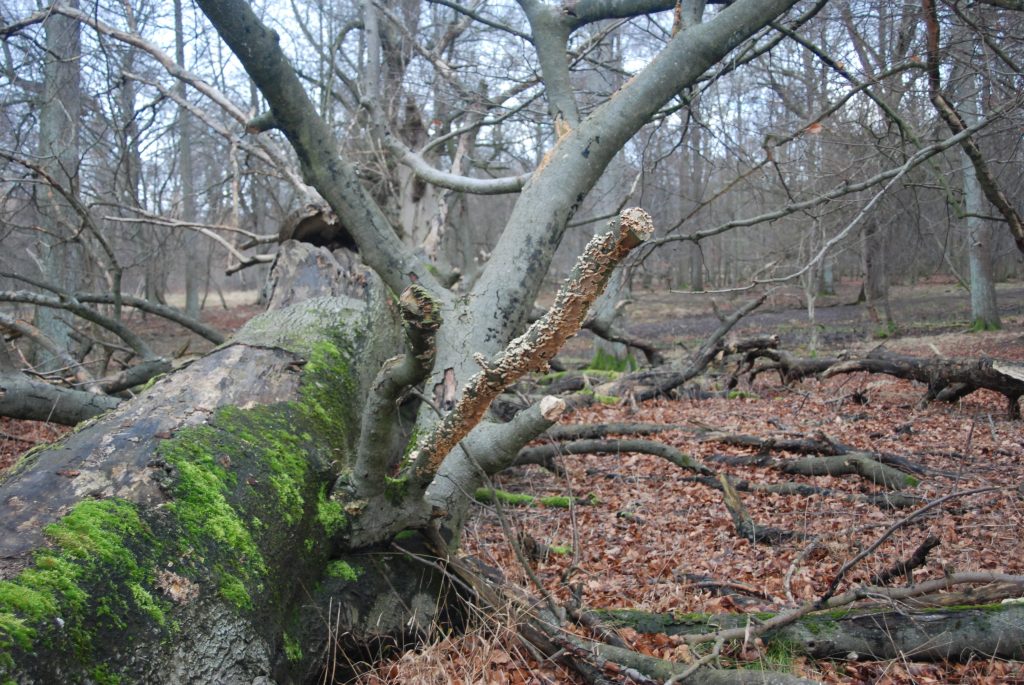
Many landowners like neat woods. Fallen trees get cut up. Brush piles disappear. Every trail is mowed. While that may look nice, deer often prefer the opposite. Messy areas with tangled branches, young growth, and scattered cover provide security that mature bucks seek during daylight.
This does not mean every property should become impossible to walk through. It simply means there is value in leaving certain areas alone.
Summer is also a good time to identify places that receive too much human activity. If an ATV trail, walking path, or regular maintenance route runs through your best bedding cover, consider changing those habits before hunting season arrives.
The less deer associate their secure areas with people, the more comfortable they are likely to become.
Habitat improvement is not an overnight project. Some changes show results quickly, while others take several years to reach their full potential. The important part is starting before hunting season instead of waiting until winter.
By the time opening day arrives, deer should already view those areas as a normal part of their environment.
Food plots may attract deer, but bedding cover often determines whether they stay. If you can create a place where deer feel safe throughout the day, you are giving yourself something far more valuable than another destination food source. You are creating a reason for deer to spend daylight hours on your property.