
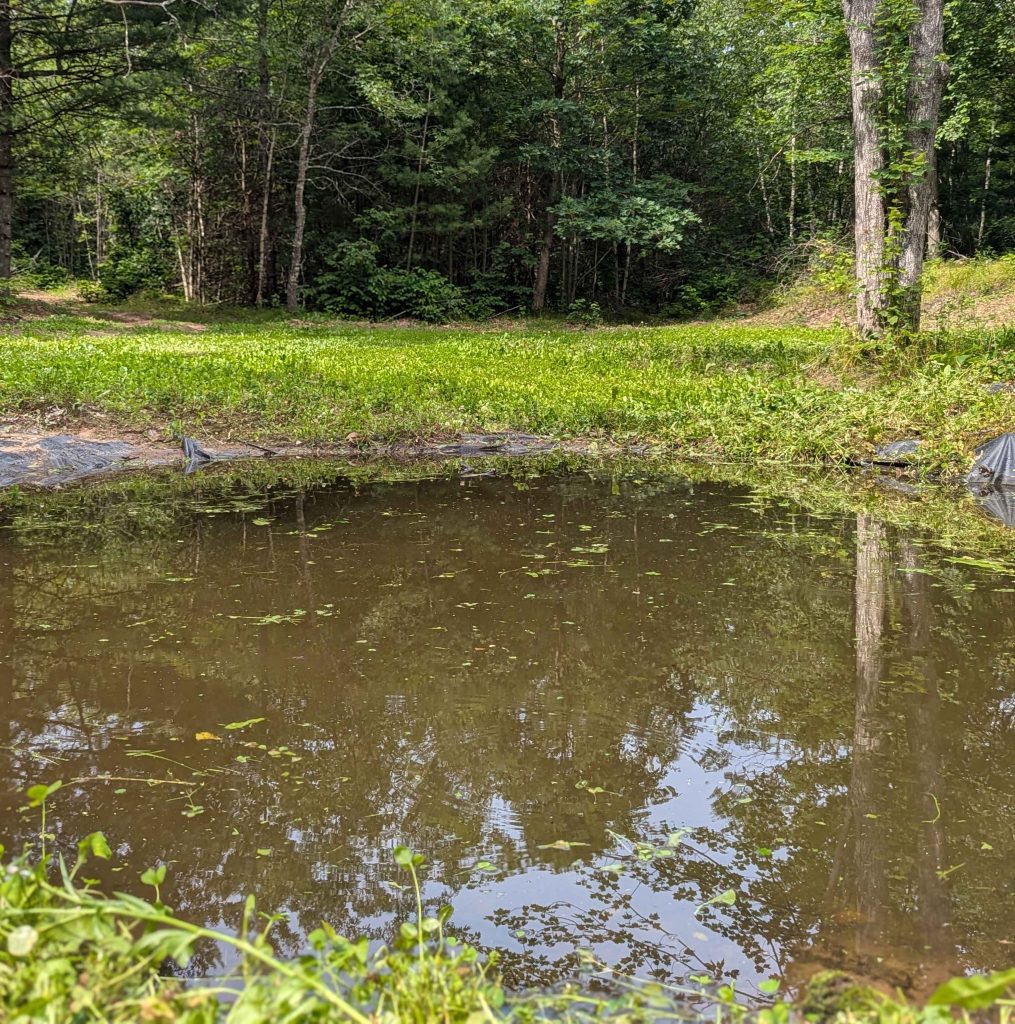
Waterholes play a crucial role in deer hunting, serving as a magnet for deer, especially during dry periods. By strategically placing waterholes around food sources and bedding areas, hunters can significantly increase their chances of successful hunts.
Waterholes Near Food Sources
Deer need a reliable source of water daily, especially when they are consuming dry forage. Placing waterholes around food sources, particularly in larger food plots, can effectively draw deer to specific areas. Here’s why this strategy works:
Concentration of Activity: When deer have easy access to water near their food sources, they are likely to spend more time in these areas. This concentration of activity increases the likelihood of deer frequenting the same spots, making them more predictable for hunters.
Daily Routine: Deer establish routines around their essential needs – food, water, and shelter. By providing a convenient water source next to their food, hunters can influence the deer’s movement patterns, encouraging them to visit the waterhole during their feeding times.
Health and Hydration: During the hotter months or in dry climates, deer require more water to stay hydrated. A well-placed waterhole ensures that deer remain healthy and active, making them more visible and predictable for hunters.
Waterholes Near Bedding Areas
In addition to food sources, it’s essential to consider the deer’s bedding areas when placing waterholes. Here’s why placing waterholes closer to bedding areas, typically back in the timber, is beneficial:
Minimal Disturbance: Deer feel more secure in their bedding areas. A nearby water source allows them to hydrate without leaving the safety of their cover, reducing their stress and keeping them within a hunter’s range.
Increased Daytime Activity: Deer are more likely to visit waterholes near their bedding areas during the daytime. This increases the chances of spotting and hunting them during legal shooting hours, as they are more likely to make brief trips to these waterholes.
Travel Corridors: Placing waterholes between bedding areas and food sources can create natural travel corridors. Deer will use these paths to move between their bed, food, and water, giving hunters a strategic advantage in predicting their movements.
Creating Waterholes with Stock Tanks
Creating waterholes doesn’t have to be a daunting task. Using 50-150 gallon stock tanks dug into the ground is an efficient and practical method. Here’s how:
Selection and Placement: Choose durable stock tanks that can withstand weather conditions and animal use. Select locations that are close to food sources and bedding areas but not too exposed.
Installation: Dig a hole large enough to fit the stock tank snugly. Ensure that the top of the tank is level with the ground to allow easy access for deer.
Maintenance: Regularly check the water level and cleanliness. Natural rainwater can fill the tanks, but during dry periods, be prepared to refill them manually.
Camouflage: Naturalize the appearance of the tanks by surrounding them with native vegetation, rocks, or logs to make them blend seamlessly into the environment.
By incorporating waterholes into your deer hunting strategy, you can create a more appealing habitat for deer, thereby increasing your chances of a successful hunt. Proper placement and maintenance of these water sources are key to influencing deer behavior and movement, ultimately making your hunting efforts more effective.