
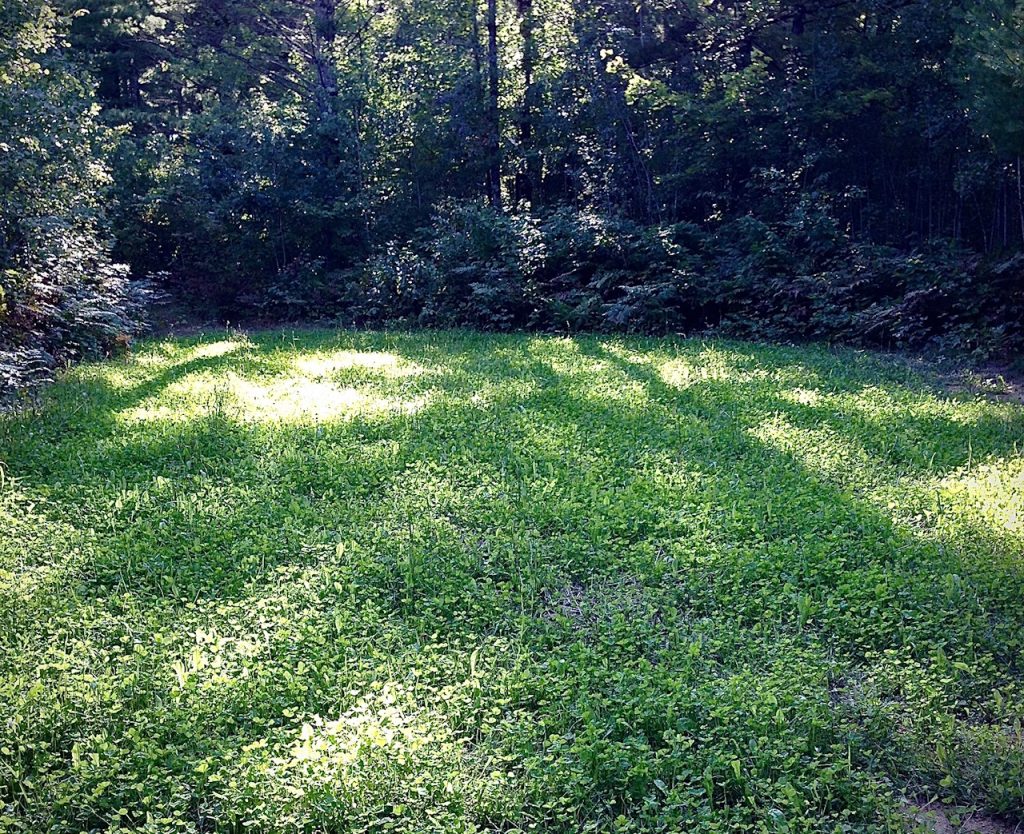
Frost seeding, a time-honored technique in the realm of food plotting, offers hunters and wildlife managers an easy way to maximize the potential of their plots. This method, though seemingly simple, holds the power to rejuvenate tired plots, fill in bare spots, and extend the lifespan of your hunting grounds.
How frost seeding works its magic
In essence, frost seeding capitalizes on the natural heaving action of soil during freeze-thaw cycles. As winter loosens its grip and the soil contracts and expands, tiny seeds, strategically broadcasted over the plot, find their way into the soil crevices. This natural process creates ideal conditions for seed-to-soil contact, promoting germination once spring arrives.
why opt for frost seeding
One of the primary reasons hunters and land managers turn to frost seeding is its ability to breathe new life into existing food plots without the need for extensive tillage or soil disturbance. By broadcasting seeds over the plot’s surface, frost seeding efficiently fills in bare spots, rejuvenating areas that may have become depleted over time.
Moreover, frost seeding offers a cost-effective solution to plot maintenance, allowing hunters to extend the lifespan of their plots without breaking the bank. Instead of starting from scratch each season, frost seeding enables hunters to build upon existing plots, saving both time and resources.
Want to give frost seeding a try? Here’s how to get started:
Soil Preparation: Before frost seeding, ensure your plot is well-prepared. Take the time to remove any debris or vegetation that may impede seed-to-soil contact, creating a clean canvas for your seeds to thrive.
Seed Selection: When it comes to frost seeding, not all seeds are created equal. Opt for species known for their ability to germinate in cool soil temperatures. Popular choices include Ladino clover, Red clover, and Chicory, all of which thrive under the conditions created by frost seeding.
Broadcasting: Once your plot is prepped and your seeds selected, it’s time to broadcast. Spread the seeds evenly over the plot’s surface, taking care to cover bare spots and thin areas. Keep in mind that less is often more when it comes to seeding, as overcrowding can inhibit seedling growth.
Timing: Timing is key when it comes to frost seeding. Aim to sow your seeds just before the last frost of the season, allowing ample time for the seeds to settle into the soil before spring arrives.
By following these steps and harnessing the power of frost seeding, wildlife managers can breathe new life into their food plots, ensuring successful seasons to come. Give frost seeding a try and watch your hunting grounds flourish.